
It’s just past three; the sun is directly overhead, and the asphalt in front of the Main Stage is shimmering. The beat is pumping, the crowd is dancing, but your head feels like a hot little car. Right at this moment, it’s decided whether your festival day will last into the night or whether you’ll be lying in the first-aid tent by four. Staying cool at a festival isn’t a luxury for wimps, it’s essential if you want to make it all the way to the headliner. Heat is the silent spoilsport of every open air season, and the good news is: with the right heat-beating tips for the festival, you can handle it surprisingly well.
This guide breaks down what really works against the heat and what just looks expensive. We’ll go through it step by step: first the body, then clothing, and finally an honest comparison of cooling methods. And because heat can also be dangerous, we’ll explain at the end when the fun stops and you need to see a doctor.
Cooling off at the festival starts from the inside
Before you think about wet towels or fans, take care of the area that’s most at risk of going out of balance: your fluid balance. Your body cools itself through sweating, and sweating depletes your fluid reserves. If you don’t keep up your fluid intake while dancing nonstop in 30-degree heat, you won’t be tired by early evening, you’ll be dehydrated. It feels almost the same, but the consequences are very different.
The basics may sound boring, but they’re half the battle. Drink throughout the day, not just when you’re already parched, because thirst is a warning sign, not an early warning system. One to two liters over the course of the afternoon is the minimum in hot weather; if you’re sweating heavily, you’ll need significantly more. More important than the sheer volume is consistency: it’s better to take a few sips every twenty minutes than to chug half a liter once an hour.
People who sweat a lot lose not only water but also salts. Drinking large amounts of plain water can actually dilute your electrolyte balance. That’s why your heat strategy should include a little electrolyte replenishment: a pinch of salt in your water, an electrolyte tablet from the drugstore, or simply a serving of pretzel sticks and a piece of fruit every now and then. Alcohol does the opposite of what you need here, because it dehydrates you. That cold drink in the sun feels refreshing, but it actually speeds up dehydration. The rule of thumb for the hottest part of the day is: for every beer, drink a glass of water.
Time Your Breaks and Shade Wisely
The second strategy costs nothing at all: timing. The sun beats down hardest between noon and 4:00 p.m. If your absolute favorite act isn’t playing during that time slot, that’s exactly when you should take a deliberate break in the shade. A tree, the food court tent, the shady side of a booth, or simply the awning of your tent: Every half hour your body spends out of the blazing sun is time you’ll have left over for the evening.
Plan your day a bit like an athlete plans for a competition. Don’t spend the long afternoon sets in the front row of the pit in full sun if you want to still be able to stand in the evening. Watch where the shade moves, and take your breaks there. Taking a quick break before you’re completely wiped out is twice as valuable as a last-minute break when you’re already at your limit.
Sunscreen falls into the same category, even though it doesn’t cool you down directly. A sunburn heats up your skin even more and makes it harder to regulate your body temperature. Apply sunscreen in the morning, not just when you start to feel a sting, and reapply throughout the day. You’ll find a packing list that covers this and the rest of your heat-weather gear in our packing list article, so you don’t forget anything important at home.
Clothing: light-colored, airy, with a collar
What you wear plays a big part in how hot you get. Light colors reflect sunlight, while dark colors absorb it and heat up. If you spend the whole day out in the field wearing black, you’re making things unnecessarily hard on yourself. Light, airy fabrics like linen or loose-fitting cotton let your skin breathe and allow sweat to evaporate, and it’s precisely this evaporation that acts as your body’s natural cooling system. Tight, synthetic clothes that cling to your skin block this process.
The most important, and most often overlooked, part is headwear. You lose a disproportionately large amount of heat through your head, and direct sunlight on your scalp is one of the quickest ways to get heatstroke. A cap, bucket hat, bandana, or a light scarf, the main thing is that your head isn’t left unprotected in the sun. A wet scarf around your neck provides extra cooling; more on that in a moment.
- Light colors instead of dark ones, they reflect the sun’s rays instead of absorbing them.
- Light, breathable fabrics that allow sweat to evaporate; no sticky synthetic pieces.
- Always wear a hat, it’s the most affordable protection against sunstroke.
- A spare shirt in my backpack, a dry top after a sweaty midday session feels like a fresh start.
- Sunglasses for your eyes, squinting in the sun takes energy, too.
An Honest Comparison of Cooling Methods
Now let’s get to the heart of the matter: How do you actively cool yourself down when water, shade, and clothing have been exhausted? There are four options, and they vary in effectiveness. Here’s an honest assessment, without sugarcoating.
The Wet Towel
A classic and actually very effective. A damp cloth on the back of your neck, on your wrists, or behind your knees cools you down exactly where the blood flows close to the surface. You can really feel the effect. The catch: It dries out, and then you need to find a water source again. It’s great as an immediate fix, but as a long-term solution, you’ll have to keep re-wetting it.
The Spray Bottle
The fine mist of water on your face and arms feels wonderful at first, because the evaporation briefly creates a cooling sensation. To be honest, though, the effect is fleeting and almost nonexistent when the humidity is high, because the water barely evaporates then. Plus, the bottle runs out quickly. It’s nice as a quick burst of freshness, but it’s not a system you can rely on all day.
The Rechargeable Fan
This small device with a rotor delivers a real airflow as long as the battery lasts. And that’s exactly the problem: it doesn’t last long. After a few hours, it’s done, and a power outlet is rarely within reach out in the field. Add to that the weight, a buzzing noise right next to your ear, and the fact that the motor can break down. It’s great on your desk, but in a crowded crowd and over the course of an entire festival day, it’s more like a gamble against the battery indicator.
The Hand Fan
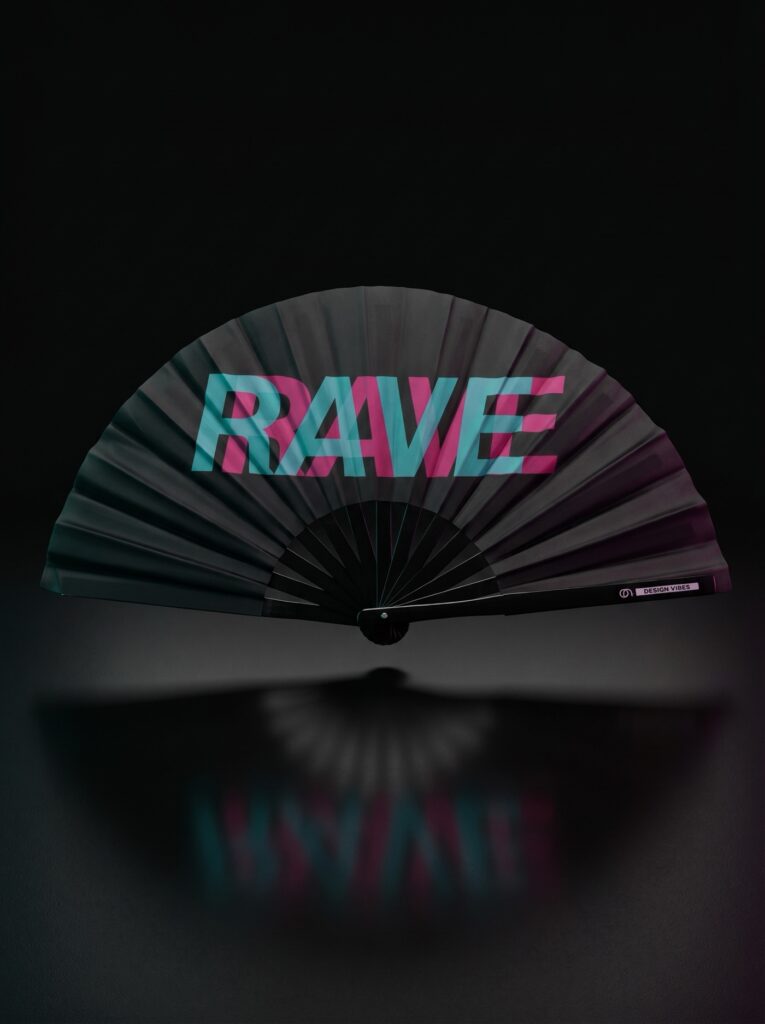
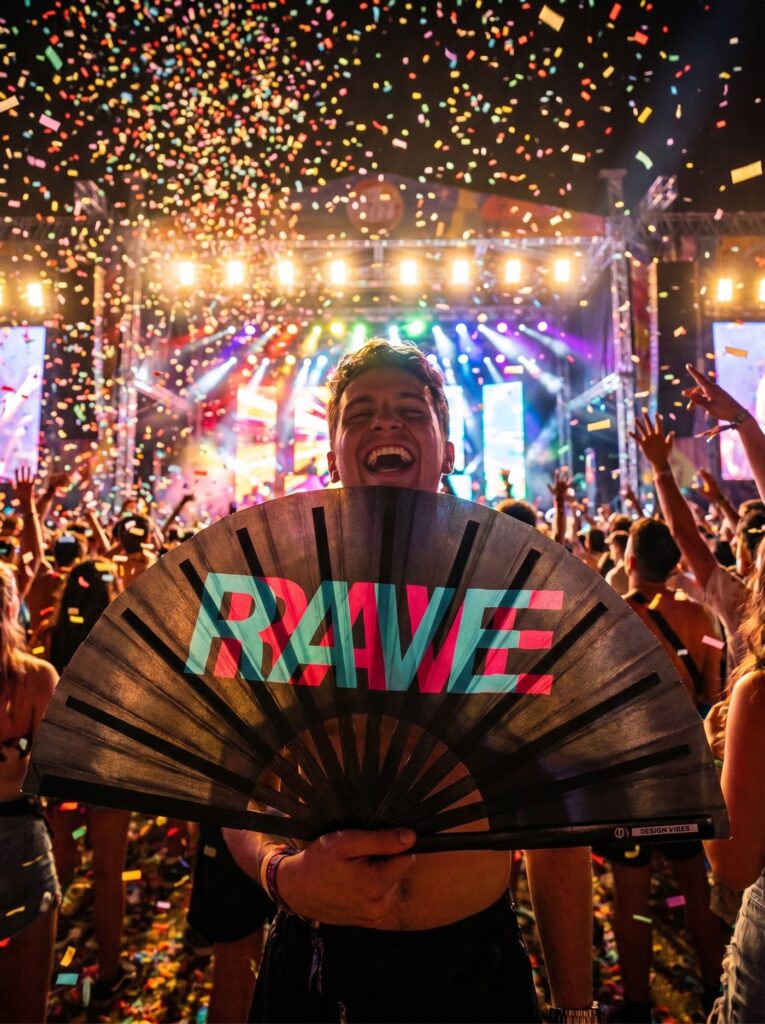
The unassuming endurance runner. A hand fan needs no electricity, no water, and no outlet. It works just as well in the morning as it does at four in the morning, on day one just as on day three. With a 64-centimeter span, it really moves air, not just a faint breeze, and the breeze is always there when you need it. No charging, no refilling, no motor that dies. That’s exactly why it’s the only one of the four methods that can last a full festival day without needing a refill.
The best fan is the one that never runs out. A hand fan never runs out of steam, even when the crowd is at its densest and the night is at its hottest.
Why the fan is the long-term solution
If you weigh the four methods over the course of an entire day, the fan is the only one left. The cloth and spray bottle require water, the fan requires electricity, all three will eventually run out or dry up. The fan runs on the movement of your hand, and you won’t run out of that anytime soon. That’s exactly why it’s not a backup, but the foundation around which you build the other tricks.
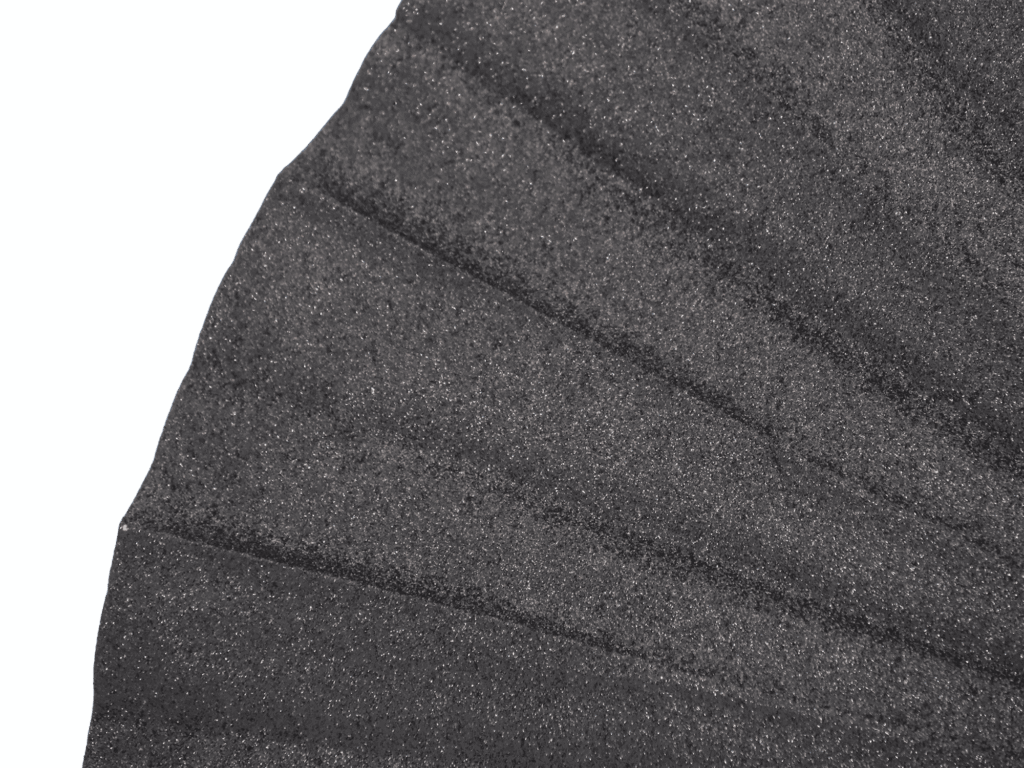
What’s more, a good bamboo fan with a tear-resistant fabric is a tool that will last for many seasons, not a disposable gadget. It weighs almost nothing, fits in any fanny pack, and is ready to use the moment things get too stuffy. The loud “Clack” when you open it is a bonus that also makes it a statement piece when the track drops. Cooling and style in a single motion, and neither requires keeping an eye on your battery level.
Here’s a handy trick for maximum cooling with minimal effort: Fan with your wrist, not your whole arm. That way, you can keep the air moving for hours without tiring your muscles. If you use your wrist instead of your upper arm, you’ll be able to keep it up easily even during a long session. And direct the airflow toward your face and neck, that’s where you feel the temperature most.
When Fun Stops: Take the Warning Signs Seriously
As much as we try to keep this topic lighthearted, one thing is no joke. Heat can take a toll, and then it’s no longer a matter of comfort, but of health. Heatstroke is a medical emergency, and it’s easy to overlook the warning signs because they initially feel like normal exhaustion.
Take care of yourself and your crew. If someone complains of dizziness, a headache, or nausea; suddenly stops sweating; acts confused; or has pale or burning-hot skin, this is no longer a time to just tough it out. Get out of the sun and into the shade, drink water in small sips, loosen your clothes, and cool down. And if they don’t get better quickly or if the symptoms are severe, go straight to the first-aid station. Every major festival has medical stations, and they’re there exactly for situations like this. It’s better to go once too soon than once too late.
- Dizziness, headaches, or nausea in hot weather are warning signs, they’re not something to take lightly.
- If sweating suddenly stops, that’s a warning sign.
- Confusion, very pale or burning-hot skin: get out of the sun and cool down.
- If you feel dizzy or have persistent symptoms, go to the infirmary, that’s not a failure, it’s the sensible thing to do.
- Always keep an eye on the people in your group, together, you’ll notice when things are going south sooner.
Your Heat Kit for Your Next Session
Let’s summarize what really helps combat the heat. From the inside: drink enough fluids, replenish electrolytes, and cut back on alcohol during the midday heat. From the outside: wear light, airy clothing, keep your head covered, and apply sunscreen early and regularly. Throughout the day: take breaks in the shade and avoid spending the midday hours baking in direct sunlight. And for active cooling in between: a wet cloth for an instant boost and a hand fan as a long-term solution that never runs out.
Even the best outfit is no use if the heat ruins your day. A fan that lasts the whole season is a small investment that can make the difference between being right in the thick of things and ending up in the first-aid tent. Once you put together the right kit, you won’t have to worry about a thing next summer. Check out the Festival Fans and pick the one that matches your look and your next hot night. It’s worth taking a look in the shop for your crew, too, after all, it’s best to stay cool together. Find the right hand fan for your next festival day on our homepage.